Currently Empty: ₹0.00
On Sale!






About This Item
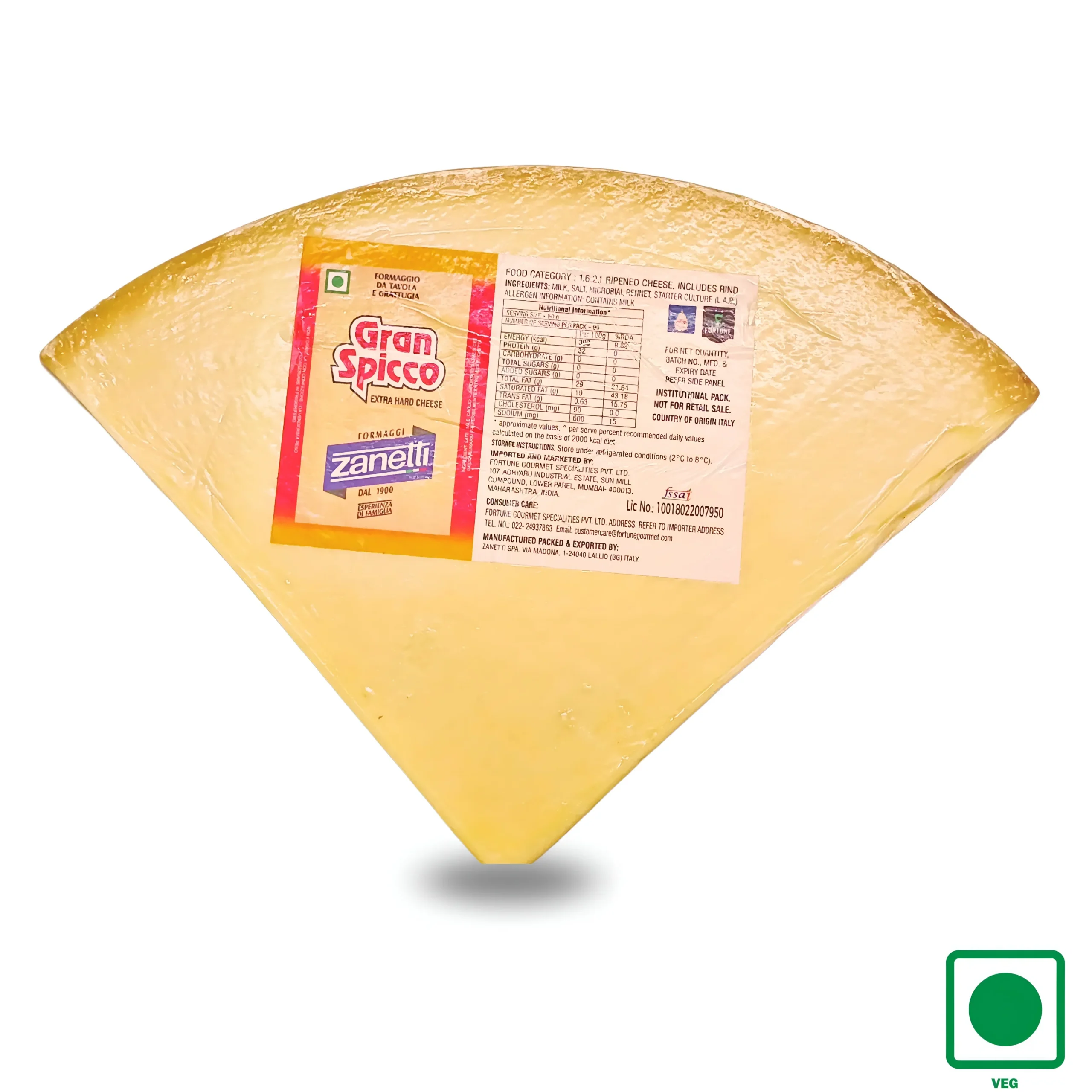
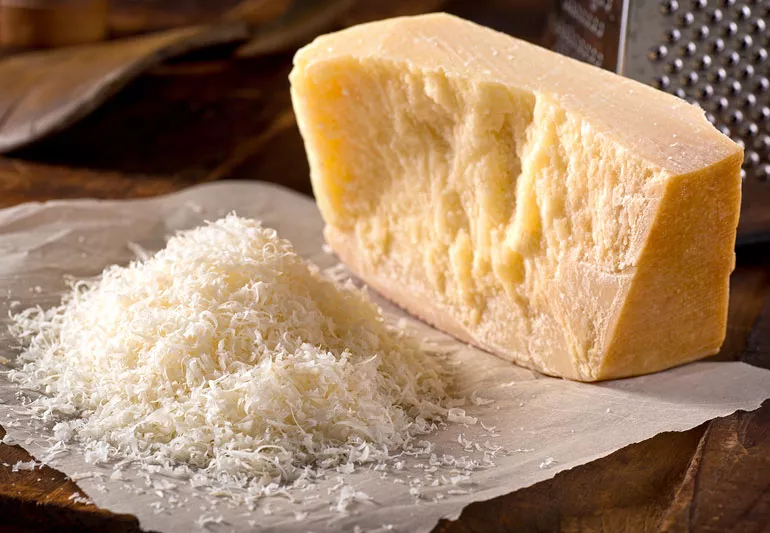
Parmesan is a hard, granular cow’s milk cheese known for its complex, nutty flavor and distinctively gritty texture. While the term is often used generically, the authentic “real deal” is Parmigiano Reggiano, which is legally protected and can only be produced in specific regions of Northern Italy like Parma and Reggio Emilia. It is highly versatile, widely used for grating over pasta and soups, or enjoyed in chunks as a nutrient-dense snack
- Authenticity: Authentic Parmigiano Reggiano must be aged for a minimum of 12 months, though some varieties are matured for up to 48 months or more.
- Texture and Flavor: It features a crumbly, granular texture often filled with tiny, crunchy crystals (tyrosine) that develop during aging. Its flavor profile is a complex mix of nutty, salty, and sharp notes with a strong savory “umami” punch.
- Historical Roots: Its production dates back over 1,000 years to Benedictine and Cistercian monks in the Po Valley who sought a cheese with a long shelf life.
- Strict Production: Traditional methods use only three natural ingredients: cow’s milk, salt, and renne
- Finishing Touch: Grating or shaving fresh Parmesan over pasta, risotto, salads, or roasted vegetables adds a final burst of umami.
- Parmesan cheese blocks in 1kg sizes are widely available across India, ranging from authentic imported DOP Parmigiano Reggiano to locally crafted, budget-friendly artisanal variants. [1, 2, 3]
Delivery and return
Delivery and return
| Standard Delivery (Signed for) | Delivered within 3-5 working days |
| Express Delivery (Standard Parcels) | Delivered within 1-2 working days |
| Extra-Large Parcels (Signed for) | Delivered within 3-5 working days |
| Furniture | Delivery usually takes place within 2 weeks. |
Shipping Information
Shipping Information
Free Shipping
Decor Outdoor offers free regular shipping on all orders shipped to residential or commercial addresses within the contiguous United States. Orders are delivered Monday through Friday (excluding holidays).Drop Shipping
We are an online-only luxury furniture and lighting boutique, and do not have a warehouse. Consequently, all orders are drop shipped directly from our manufacturers to your door. If your order includes items from more than one manufacturer, you will receive multiple deliveries. Because we are dependent on the on-hand inventory of our manufacturing partners, some items listed on our site may not actually be available right away. Please call us at 888.784.4644 or via our contact form with any stocking questions and we'll get in touch with the appropriate manufacturer for answers, before you place your order.Ground Shipping
Small parcel items ship regular ground via delivery services such as FedEx, UPS or DHL. Orders typically take 2-3 business days to process and in-stock items will usually be delivered 3-5 days from the date that they ship (depending on origin and destination). If there is a delay, you will be notified by email. No signature is required for standard ground shipping, so you may want to make arrangements to have packages brought inside soon after delivery, if you are unable to receive it in person.Composition and care
Composition and care
We speak a lot about the importance of gut health—not only for beauty—but also in terms of our overall health, wellbeing and immunity. But before we can fully understand why the gut is so integral to our health, it’s first essential to learn more about the physiology of the gut itself—and how it works.








There are no reviews yet.